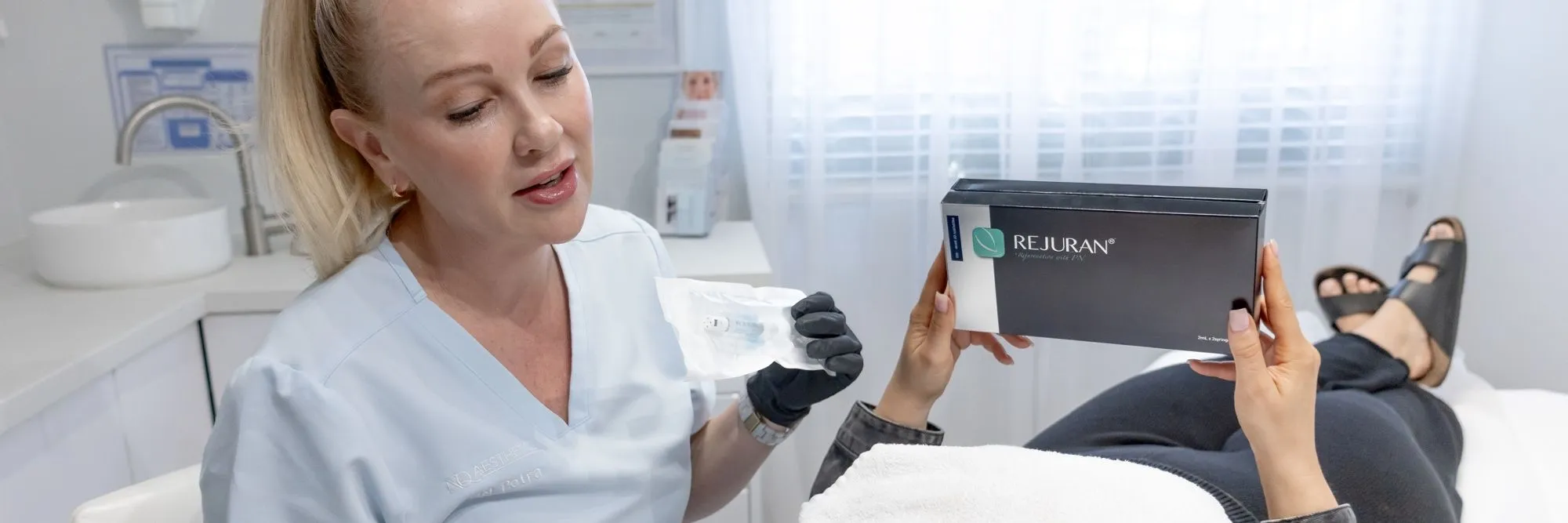
Polynucleotides Skin Treatments (Including Rejuran)

Polynucleotides-based therapies are an emerging option in regenerative aesthetics. These treatments involve the use of highly purified DNA fragments, often derived from natural sources, which are designed to support skin health and function.

They may be considered for individuals seeking to improve overall skin texture, hydration, and elasticity, particularly in areas such as the face, neck, and décolletage.

At NQ Aesthetics, polynucleotides treatments are available only after a personalised consultation with a qualified health professional. This consultation is essential to assess your medical history, skin condition, and treatment goals, and to determine whether this modality is appropriate for you.

Common concerns that may be addressed include:

  • Dehydrated or lacklustre skin
  • Uneven skin texture
  • Early signs of ageing or environmental skin stress

These treatments are performed by experienced professionals under appropriate clinical guidance, with a focus on informed consent and realistic expectations.

Please note: Individual responses may vary. A consultation is required to determine your suitability. As with any medical procedure, there are risks and potential side effects which will be discussed during your appointment. We do not advertise or promote specific prescription-only products by name, in line with TGA advertising regulations.

Make A Booking

Book a consultation with our Cosmetic Nurse Shelby today to find out more.

Make A Booking

Frequently Asked Questions

Side effects may include temporary redness, swelling, bruising and minor bumps.

In North Queensland, the recommended treatment protocol is an initial three treatments spaced one month apart, followed by a single treatment every 6-12 months.

Before treatment, you should avoid aspirin, NSAIDS, anticoagulant drugs and Gingko Biloba supplements. You should also avoid waxing, bleaching, chemical peels, facials, heat related laser and microdermabrasion for two weeks prior to treatment. After treatment, you should avoid strenuous activity, extreme temperatures and touching the treated area for the first 24-48 hours.

Unfortunately, not If you are pregnant, trying to become pregnant or breastfeeding as there are no studies to suggest that it is a safe procedure in these circumstances. Studies will never be conducted to ascertain the safety of this procedure amongst this group.

Petra Mackin (NMW0002002508) Registered Nurse (Division1), general registration