How to Improve Skin Elasticity: Why Collagen Support Matters More Than Volume

Across Australia, practitioners are moving away from “how do we fill?” and toward a more considered question: How do we help skin behave younger for longer?
At NQ Aesthetics, owner and registered cosmetic nurse Petra holds a strong belief that ageing is a privilege — not something to be erased, but something to be supported thoughtfully.
That perspective shapes the clinic’s approach. Rather than chasing dramatic change, the focus is on maintaining skin quality, supporting collagen and elasticity, and helping skin remain resilient over time.
This shift reflects a broader change in how patients think about ageing. Increasingly, the goal is to optimise skin health, to look the best version of yourself, with skin that feels healthier and stronger for longer.
What Causes Skin to Lose Elasticity?
Skin elasticity refers to the skin’s ability to return to its original position after movement or gentle compression.
As we age, collagen and elastin naturally decline. Elastin actually ceases production in our early 20’s.These structural proteins are responsible for firmness, bounce and resilience.
Several factors accelerate this process:
- Natural ageing
- Ultraviolet exposure
- Environmental stress
- Heat and inflammation
In North Queensland, year-round UV exposure and high ambient temperatures can contribute to earlier collagen breakdown compared to cooler regions.
Rather than masking the effects of this decline, modern approaches increasingly aim to support how the skin functions over time.This shift in focus is often referred to within the industry as regenerative aesthetics.
How Can You Tell If Your Skin Elasticity Is Changing?
One of the simplest clinical indicators of skin ageing is elasticity.
In younger skin, “bounce back” happens quickly. As collagen and elastin fibres gradually fragment, that rebound slows.
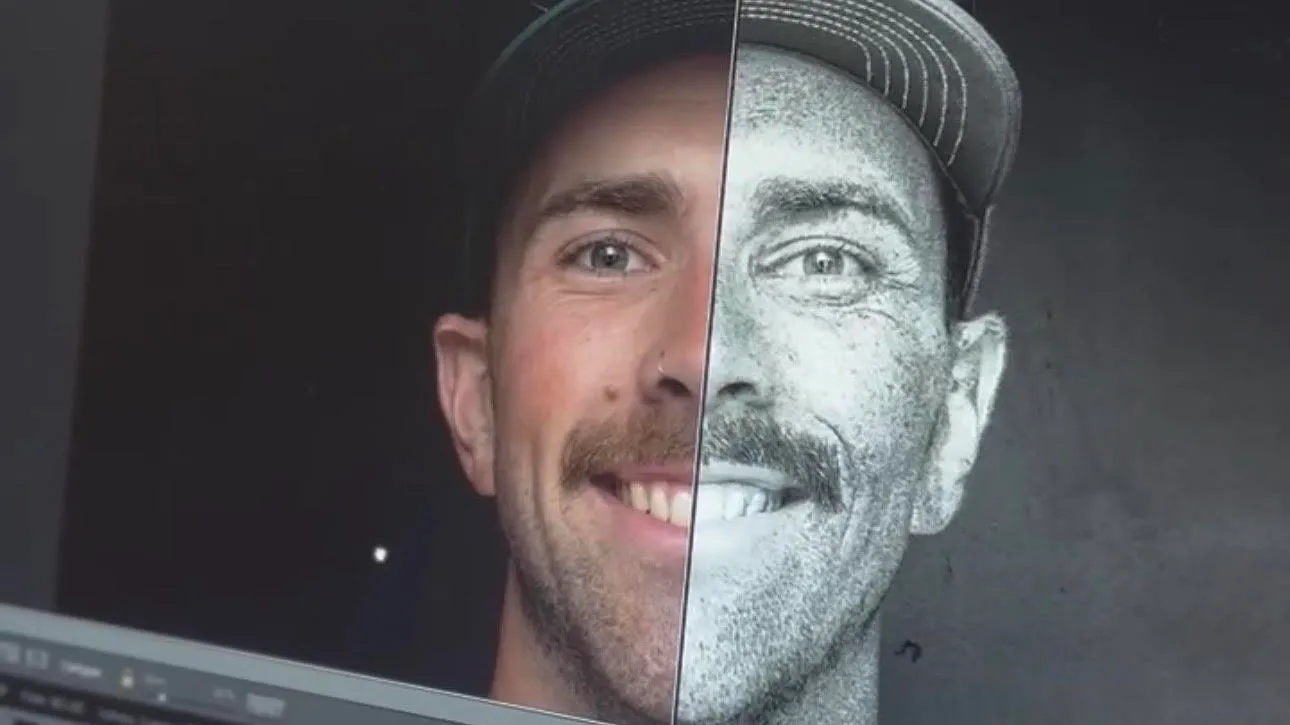
To demonstrate this concept, Petra recently performed a simple pinch test during an educational recording.
View this post on Instagram
The pinch test involves gently lifting or compressing the skin and observing how quickly it returns to place. While this is not a diagnostic tool on its own, it illustrates an important biological principle:
Elasticity reflects what is happening beneath the surface.
When the skin does not rebound as efficiently, it can indicate reduced collagen support and structural change.
How Can Collagen Support Improve Skin Quality?
Collagen provides structure. Elastin provides flexibility.
When these fibres decline, skin may begin to feel:
- Thinner
- Less firm
- More crepey
- Less responsive
Regenerative-focused treatment discussions centre around supporting the skin’s own biological processes rather than dramatically altering facial structure.
The goal is subtle: improving how the skin behaves over time.
Suitability for any cosmetic treatment must always be determined during a personalised medical consultation.
Why Are Australian Clinics Shifting Towards Regenerative Approaches?
Across Australia, cosmetic conversations are becoming more considered.
Instead of asking for bigger or more dramatic change, many people are saying things like:
- “I just don’t want to look tired.”
- “My skin doesn’t feel as firm as it used to.”
- “I don’t want to look done, just fresher.”
- “It’s not wrinkles. It’s the texture.”
The language is different. The priorities are different. The focus is shifting from altering structure to improving skin quality.
That shift is also reflected in professional education. Increasingly, practitioners are undertaking advanced training focused on supporting collagen, improving elasticity and encouraging subtle, progressive changes over time.
Why Ongoing Education Matters in Cosmetic Medicine
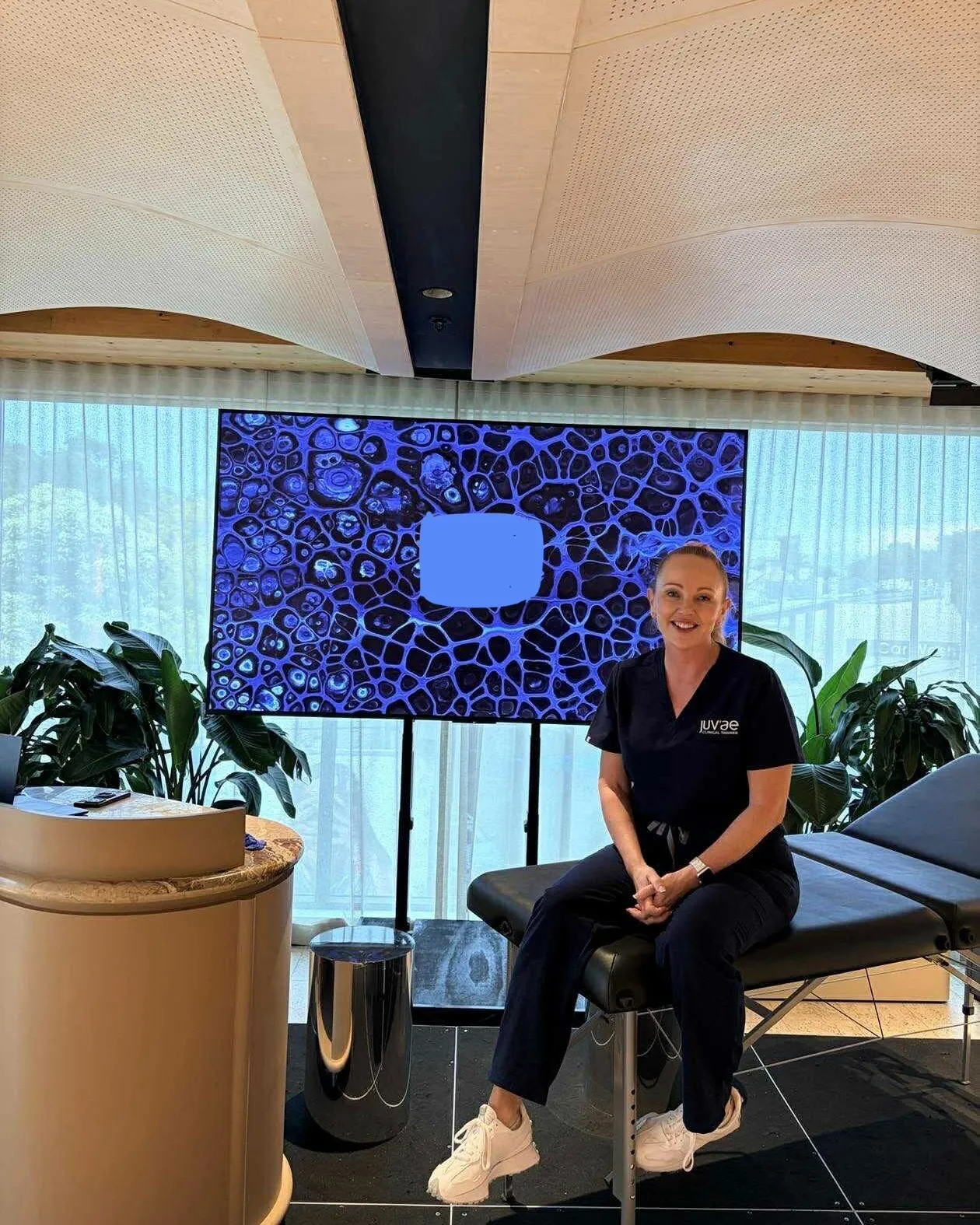
Reputable cosmetic practice relies on ongoing quality education.
Last week, Petra attended and provided national training at professional events as regenerative-focused protocols are introduced more broadly across Australia.
These events focus on:
- Clinical protocol
- Patient suitability
- Safety considerations
- Understanding the underlying biology
Remaining engaged at this level ensures that when collagen-supporting or regenerative approaches are discussed in the clinic, they are grounded in evidence and careful assessment.
For patients, that means treatment conversations are informed, considered and individualised.
Is Supporting Skin Elasticity Right for Everyone?
The honest answer is that it depends.
Skin is influenced by a complex mix of factors including age, sun exposure, hormonal changes, genetics and overall health. Because of this, treatment decisions are rarely straightforward. What may be appropriate for one person may not suit someone else with a different skin history or set of concerns.
This is why personalised assessment is so important. A thorough consultation allows for proper evaluation of the skin, discussion of individual goals, and careful consideration of suitability, risks and alternatives. In some cases, supporting collagen and elasticity may be appropriate. In others, a different approach, multimodal treatment or timing may be more sensible.
Thoughtful decision-making is always more important than urgency. Education and individual assessment should come before any treatment recommendation.
Considering Your Options?
If you are curious about approaches that focus on long-term skin quality and improving elasticity, the first step is a professional consultation.
An individual assessment ensures that any discussion around treatment is medically appropriate, evidence-based and tailored to your skin.
Modern aesthetic medicine is no longer about dramatic change.
It’s about helping skin behave as well as it can, for as long as possible.