Pico Laser vs IPL: What’s the Difference and Why Precision Matters for Pigmentation
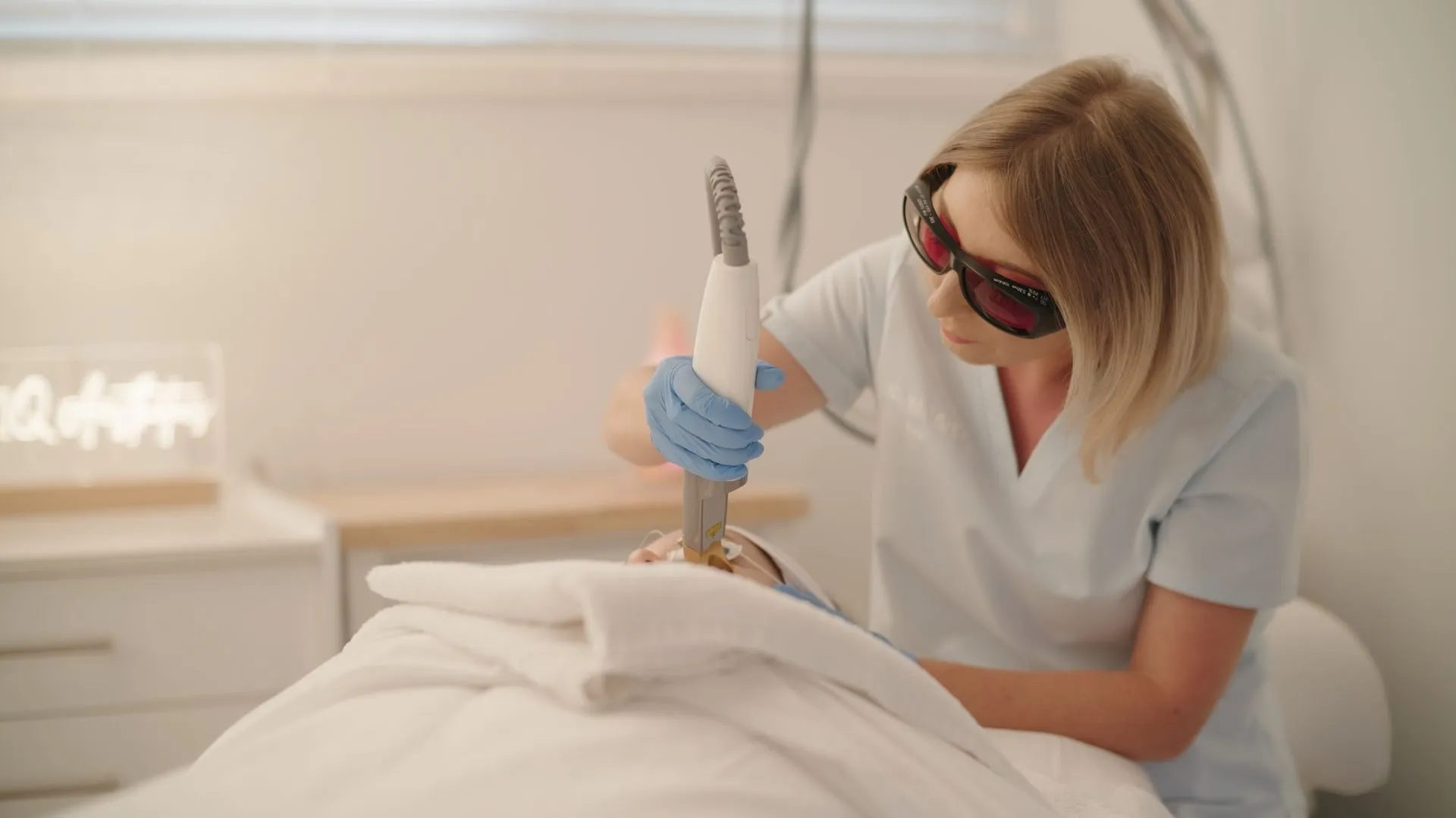
When it comes to treating pigmentation, many people assume all light based energy treatments are the same. They are not.
Two of the most commonly discussed technologies are IPL (Intense Pulsed Light) and Pico Laser. While both are used in aesthetic medicine, they work in very different ways and that difference can matter, particularly in a climate like North Queensland.
What Type of Pigmentation Do You Have?
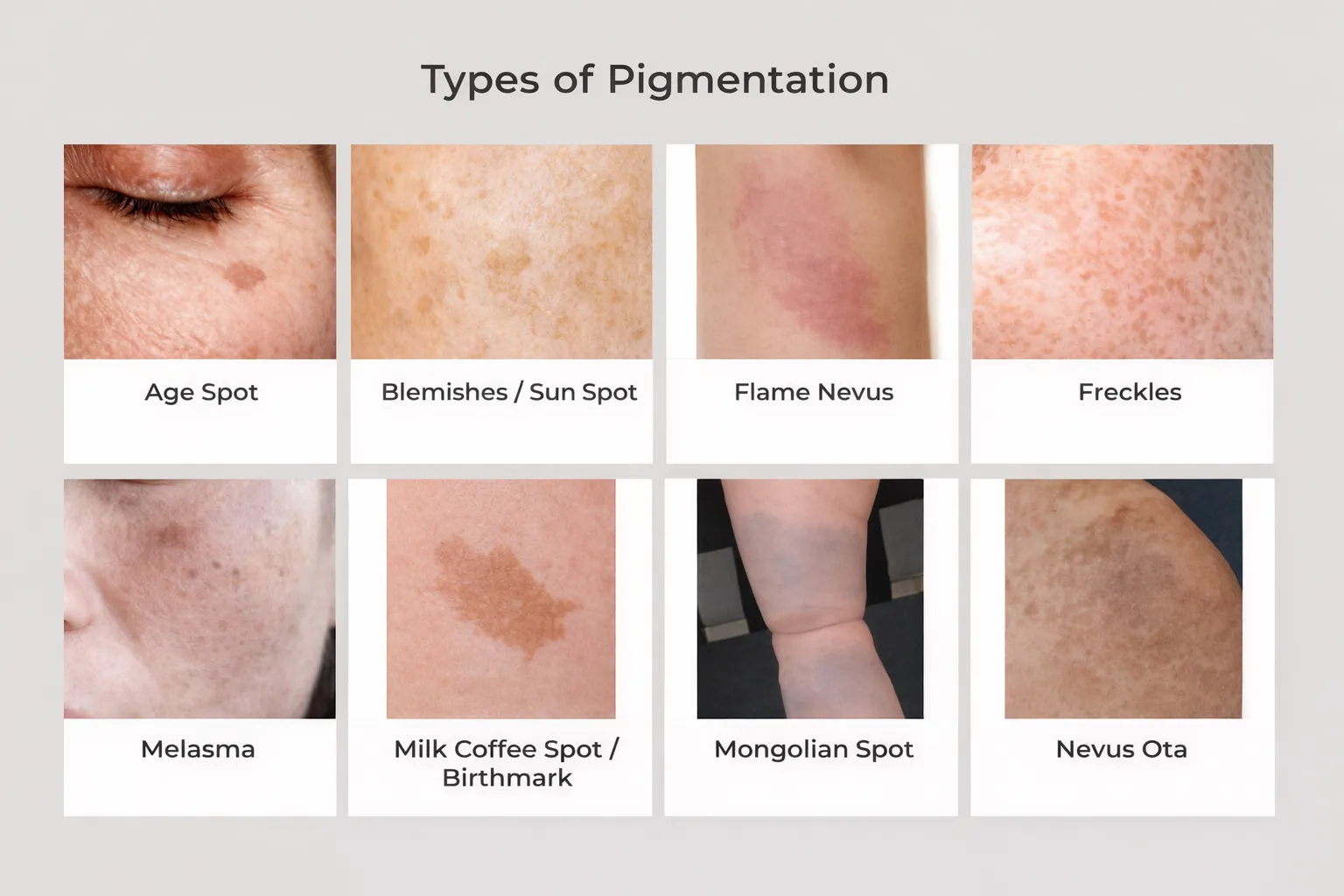
Pigmentation is not one condition. It is a category.
Different types behave differently, sit at different depths, and respond differently to treatment.
Some pigment is sun-induced. Some are hormonally influenced. Some are related to inflammation. Some are vascular in origin.
Without identifying the type first, choosing technology becomes guesswork.
How Deep Does Pigment Sit in the Skin?
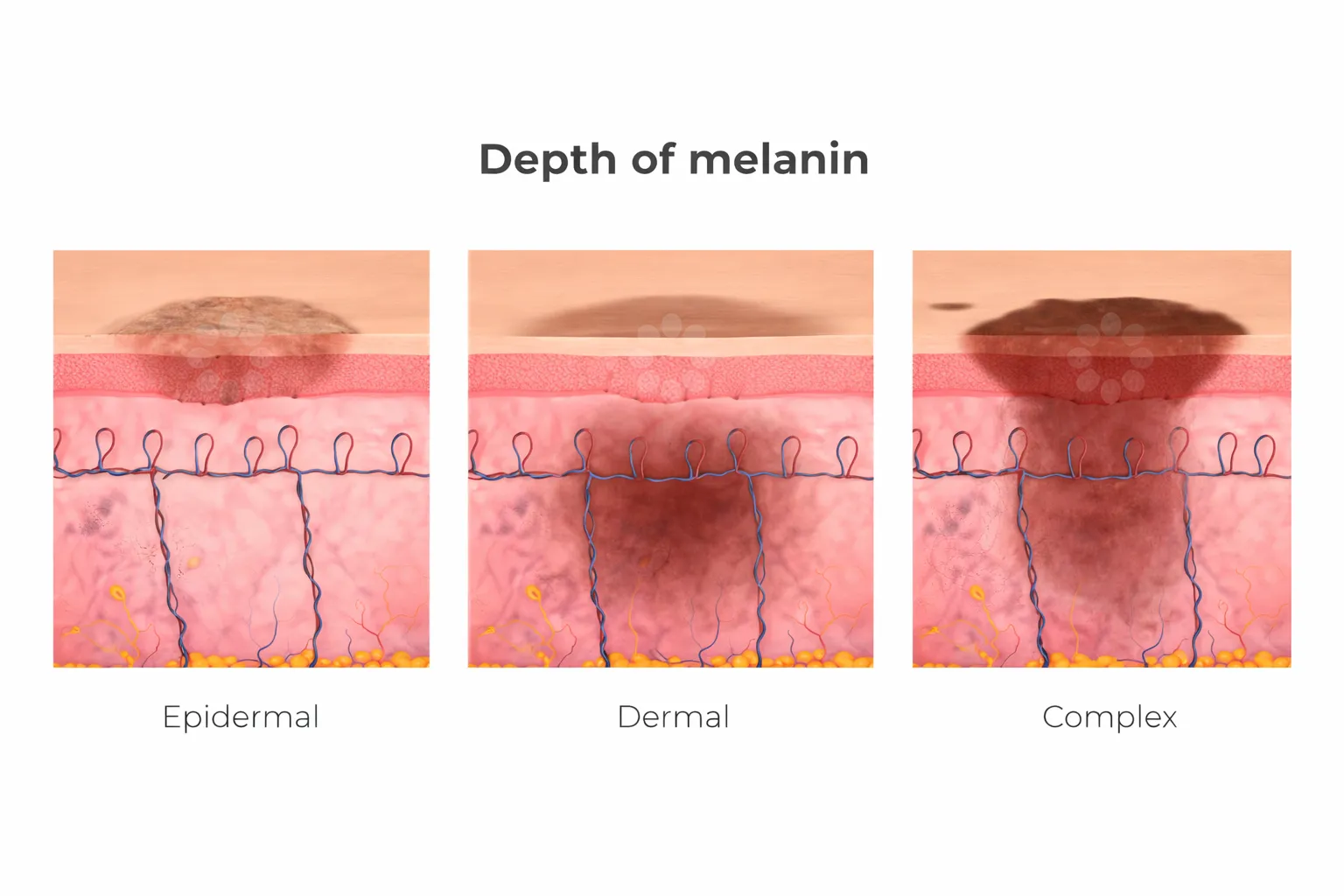
Pigment doesn’t always sit on the surface.
It can be:
- Epidermal (closer to the surface)
- Dermal (deeper within the skin)
- Mixed or complex
Depth influences how light energy interacts with the pigment.
Superficial pigment may respond differently compared to deeper or hormonally driven pigmentation. This is where treatment planning becomes more nuanced.
What Is IPL and How Does It Work?
IPL, or Intense Pulsed Light, uses broad-spectrum light to target pigment and vascular concerns in the superficial to mid dermis part of the skin.
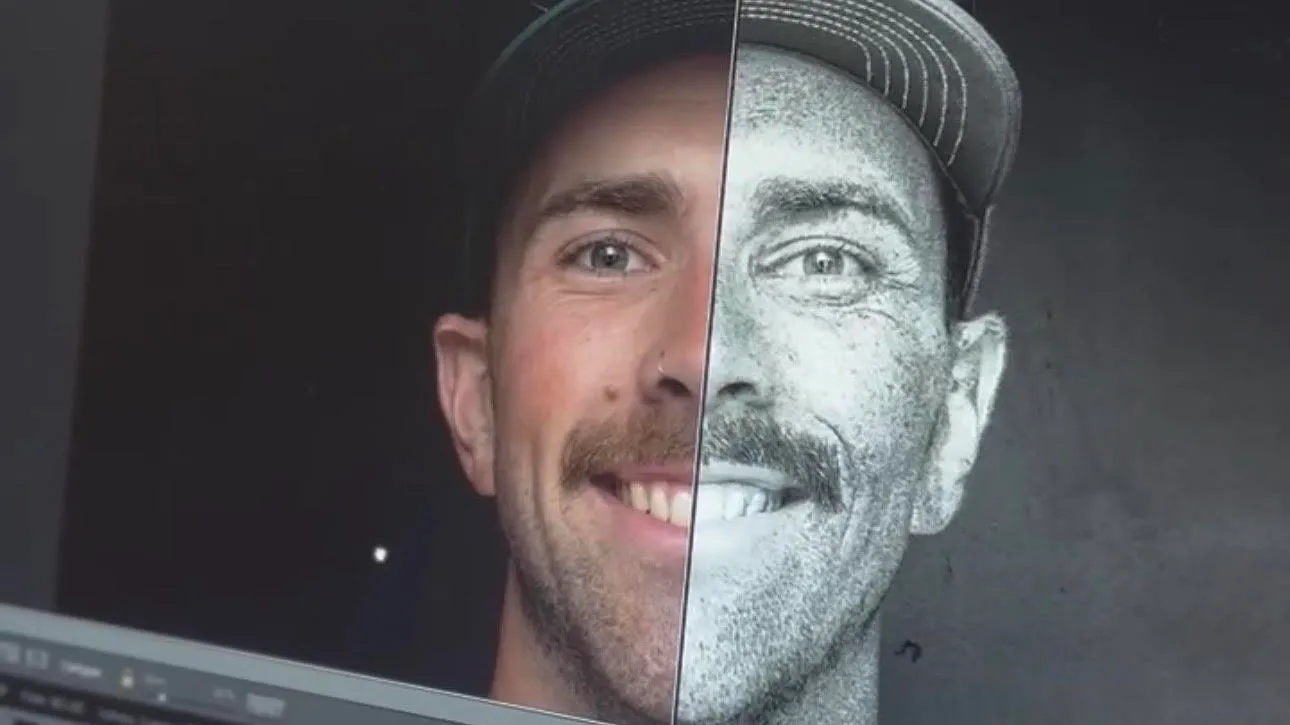
Rather than a single wavelength, IPL emits multiple wavelengths of light that scatter across different skin layers. The light converts to heat, which helps break down pigment and reduce visible discolouration.
IPL has been used in Australia for many years and can be appropriate in certain cases. However, because it relies on heat diffusion, the surrounding skin tissue is also exposed to thermal energy.
For some skin types and concerns, this can influence treatment selection.
What Is Pico Laser and How Is It Different?
Pico Laser uses ultra-short pulses of laser energy measured in picoseconds, (one trillionth of a second) and can reach deeper into the dermis of the skin.
Instead of relying primarily on heat, Pico technology delivers energy in rapid bursts that shatter pigment particles into smaller fragments. These fragments are then gradually cleared by the body’s natural processes.
The key difference lies in precision and thermal impact.
Pico delivers energy quickly and directly to pigment with less heat diffusion into surrounding tissue.
In climates like Townsville, where heat and UV exposure already stimulate melanocytes, reducing additional heat load can be an important consideration.
Why Does Heat Matter in Pigmentation Treatment?
Pigmentation is influenced by melanocyte activity, the cells responsible for producing melanin.
Heat is a known trigger for melanocyte stimulation.
In North Queensland, where ambient temperatures and UV exposure are high year-round, heat management becomes particularly relevant in pigment treatment planning.
While IPL uses heat as a primary mechanism, Pico’s shorter pulse duration reduces the reliance on thermal diffusion.
This difference may influence which treatment is discussed during consultation.
Is Pico Laser “Better” Than IPL?
View this post on Instagram
There isn’t a single treatment that’s right for everyone. What works well for one person may not suit someone else, because pigmentation isn’t one-size-fits-all. Skin type, pigment depth, history of melasma, sensitivity, lifestyle and sun exposure all influence how the skin responds.For example, someone with superficial sun spots may have a very different treatment pathway compared to someone with deeper or hormonally influenced pigmentation.
In cases where pigment is stubborn, recurrent or sits deeper within the skin, many practitioners lean towards technologies that allow for greater precision and more controlled energy delivery. In other situations, a broader light-based treatment may be appropriate.
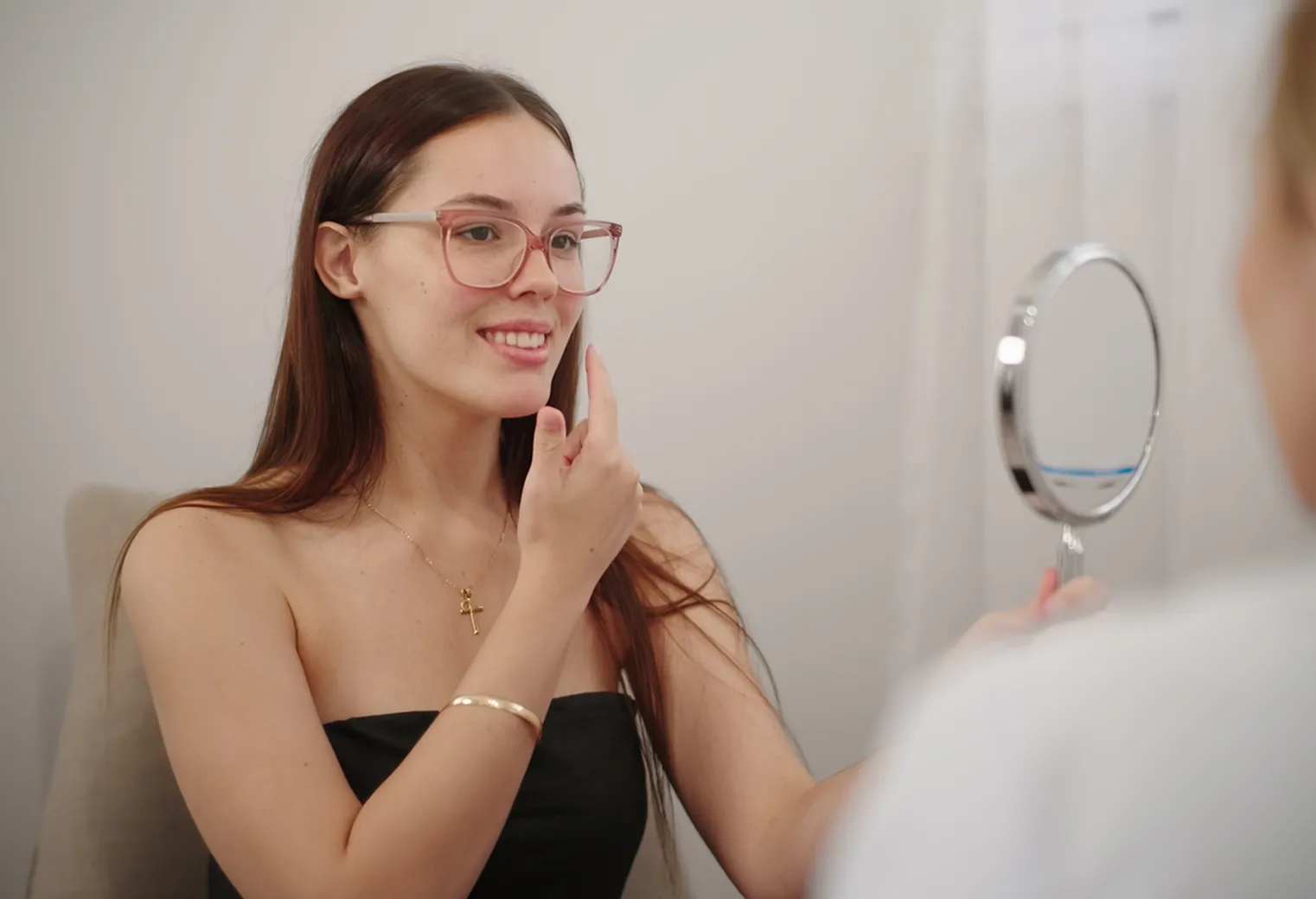
The key is assessment. Treatment decisions should always follow a proper, in-person consultation where the type and depth of pigmentation can be evaluated carefully.
What About Downtime and Recovery?
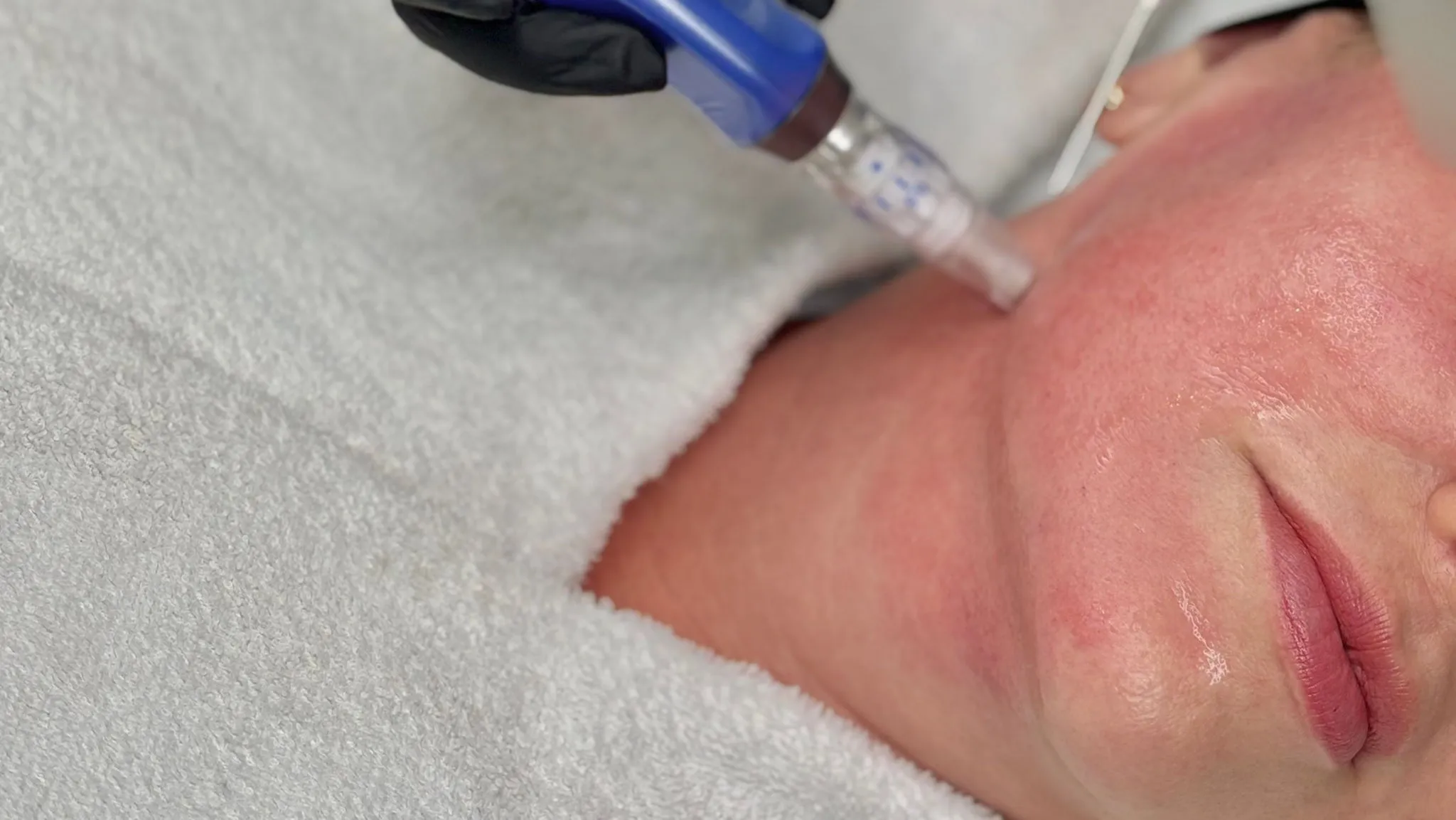
Both IPL and Pico treatments may involve temporary redness or darkening of pigment as part of the normal treatment response.
Individual experiences vary.
The number of sessions required also depends on:
- Pigment type
- Depth
- Skin condition
- Sun exposure habits
A structured treatment plan and ongoing maintenance are often more important than any single session.
How Do You Know Which Treatment Is Right for You?
This is where consultation becomes critical.
Pigmentation is rarely one-dimensional. It may include:
- Sun-induced pigmentation
- Post-inflammatory hyperpigmentation
- Hormonal melasma
- Vascular components
A proper skin assessment helps determine:
- Depth of pigment
- Contributing factors
- Suitability for laser
- Whether adjunctive treatments like peels may be beneficial
There is no one-size-fits-all answer.
Considering Pigmentation Treatment?
If you’re exploring options for pigmentation, the safest starting point is a personalised consultation.
Treatment recommendations should always be based on:
- Skin assessment
- Medical history
- Lifestyle factors
- Risk profile
Light and laser technologies can be valuable tools, but careful selection matters, particularly in high-UV environments like North Queensland.
Because effective pigment treatment is not just about removing colour.
It’s about understanding why it’s there in the first place.
Book your consultation today to explore your options.