Townsville’s UV Index Is High Year-Round. Here’s What That’s Doing to Your Skin
Townsville’s UV Index Is Extreme All Year Round. What That Means for Your Skin
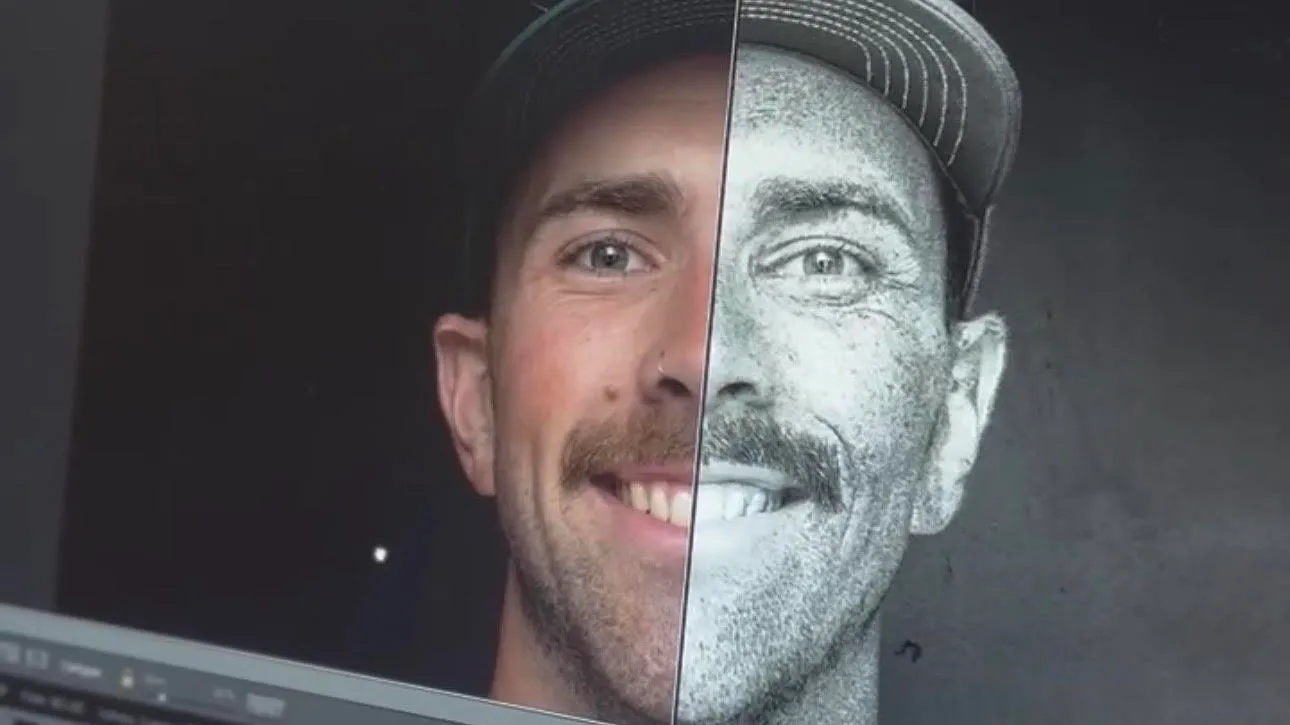
Living in Townsville means living under some of the harshest UV conditions in the country. At UV levels classified as extreme, skin damage can occur within minutes, often through everyday exposure rather than time spent “in the sun”. At NQ Aesthetics, we see the long-term effects of this cumulative exposure daily.
Australians are famously sun-smart. We grew up with Slip, Slop, Slap drilled into us, and most of us would say we’re pretty good with sunscreen.
But in North Queensland, the sun plays by different rules.
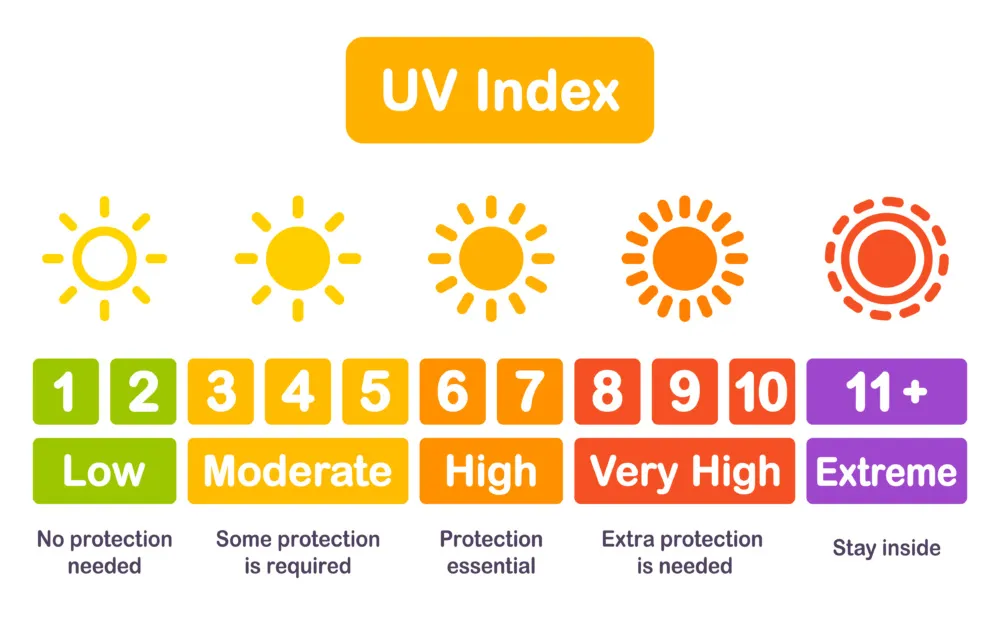
Townsville’s UV Index regularly sits at 11 or higher, which is officially classified as extreme. That means unprotected skin can begin to incur damage in a matter of minutes, not hours. And it happens year-round, not just during summer or beach weather.
This is where many people get caught out.
Why are Australians still surprised by sun damage?
Even people who “do all the right things” are often shocked when sun damage shows up later in life.
Actor Hugh Jackman has spoken publicly about repeated skin cancer treatments, despite growing up in a country where sun safety is widely understood. Media founder Mia Freedman has openly discussed pigmentation and sun-related skin changes appearing over time - you can read about her journey in an interview with Mamamia. And skincare entrepreneur Zoe Foster Blake has frequently spoken about how cumulative sun exposure shows up later, even with good habits.
The common thread?
Sun damage doesn’t come from one bad decision. It comes from years of everyday exposure.
Can you really get sun damage without spending time in the sun?
Yes. And in Townsville, this is the most common scenario we see.
Sun damage here is rarely about lying on a towel for hours. It’s more often the result of:
- Driving with UV exposure through car windows
- Applying sunscreen once in the morning and not reapplying
- School drop-offs, dog walks, outdoor errands - yes, even a quick trip to Coles from the carpark.
- Cloudy or cooler days that don’t feel “sunny”
At UV levels above 11, those short, repeated exposures add up quietly over time, often without redness or burning as a warning sign.
How long does it actually take for UV to damage the skin?
Much less time than most people think.
At extreme UV levels, repeated short exposures can contribute to:
- DNA damage within skin cells
- Chronic, low-grade inflammation
- Increased pigment production
- Breakdown of collagen and elastin
Over time, these changes can present as pigmentation, redness, texture changes, or early fine lines, and are frequently mistaken for “ageing”.
In clinic, we often hear people say their skin has “suddenly changed”, when in reality the damage has been building for years.
What does sun damage usually look like in real life?
Sun damage rarely shows up as one neat, obvious issue.
More commonly, we see combinations of:
- Brown sunspots or uneven pigmentation
- Persistent redness or broken capillaries
- Rough or thickened texture
- Enlarged pores and congestion
- Fine lines appearing earlier than expected
These changes tend to creep in gradually, which is why they’re so easy to dismiss until they feel established.
Isn’t sunscreen enough to prevent sun damage?
Sunscreen is essential, but in a tropical climate it has limitations.
Heat, sweat and humidity can:
- Break sunscreen down faster
- Reduce how long it stays effective
- Make reapplication harder to keep up with
Add in missed areas like the neck, chest, ears and scalp, and it’s easy to see how cumulative exposure continues even with good intentions.
Sunscreen is one layer of protection, not a complete solution.
How are sun-related skin changes actually addressed?
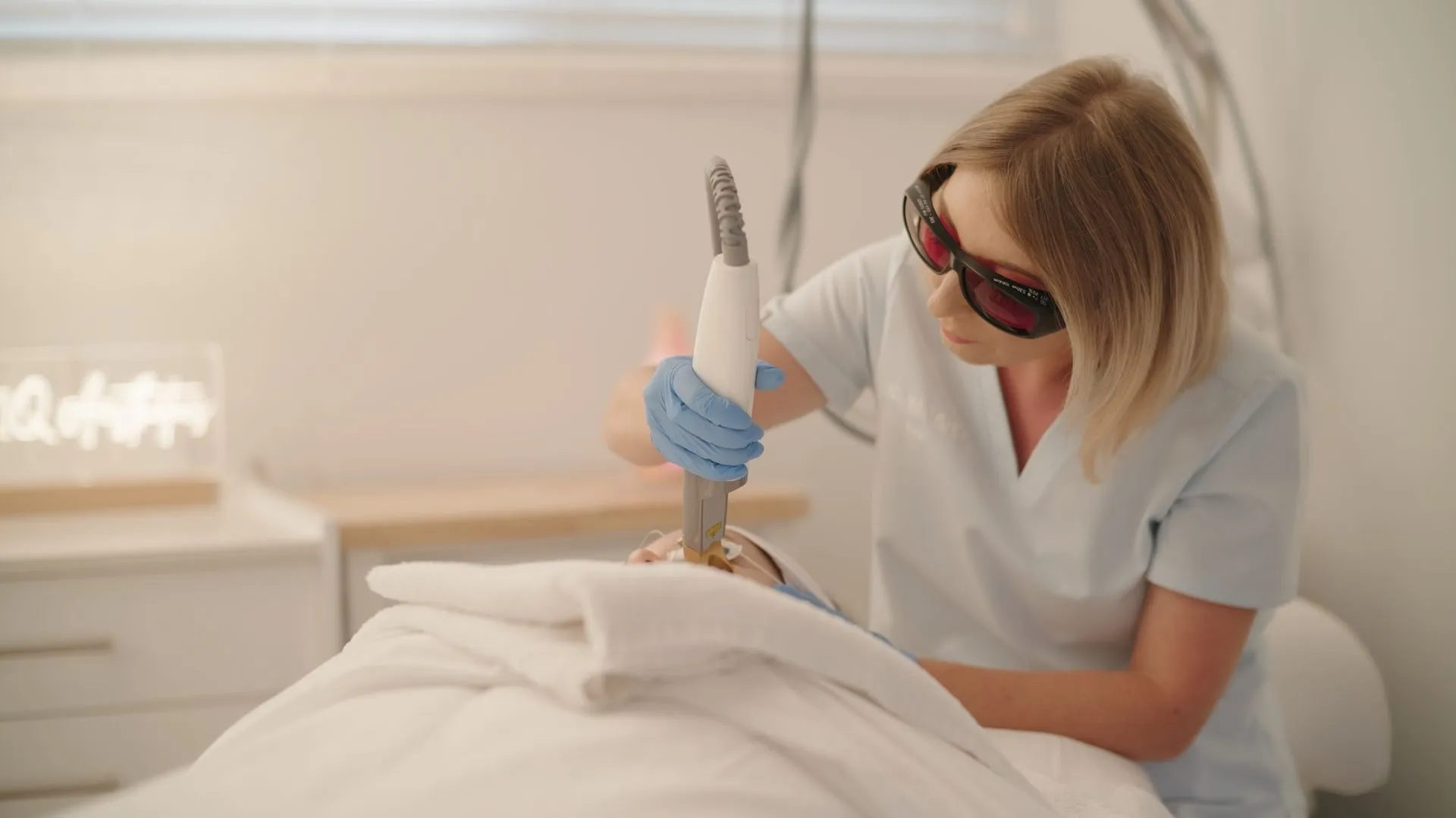
At NQ Aesthetics, sun related skin changes are not approached as a single condition. Each Client’s skin is assessed individually, with consideration given to how it is presenting in your skin. We then match the treatment approach to both the concern and the realities of living in Townsville.
Pigmentation and Uneven Skin Tone
Often caused by long-term UV exposure triggering excess melanin activity.
- Prescription Peels may assist with improving superficial pigmentation and improve overall tone
- PRX Plus supports skin renewal without visible peeling, making it suitable for warmer climates
Redness and Ongoing Sensitivity
Heat and UV weaken capillaries and increase skin sensitivity.
- LED Light Therapy may be used to support skin healing and reduce inflammation
- OxyGeneo enhances oxygenation and circulation without excessive heat or irritation
Texture Changes and Early Fine Lines
UV exposure accelerates collagen breakdown.
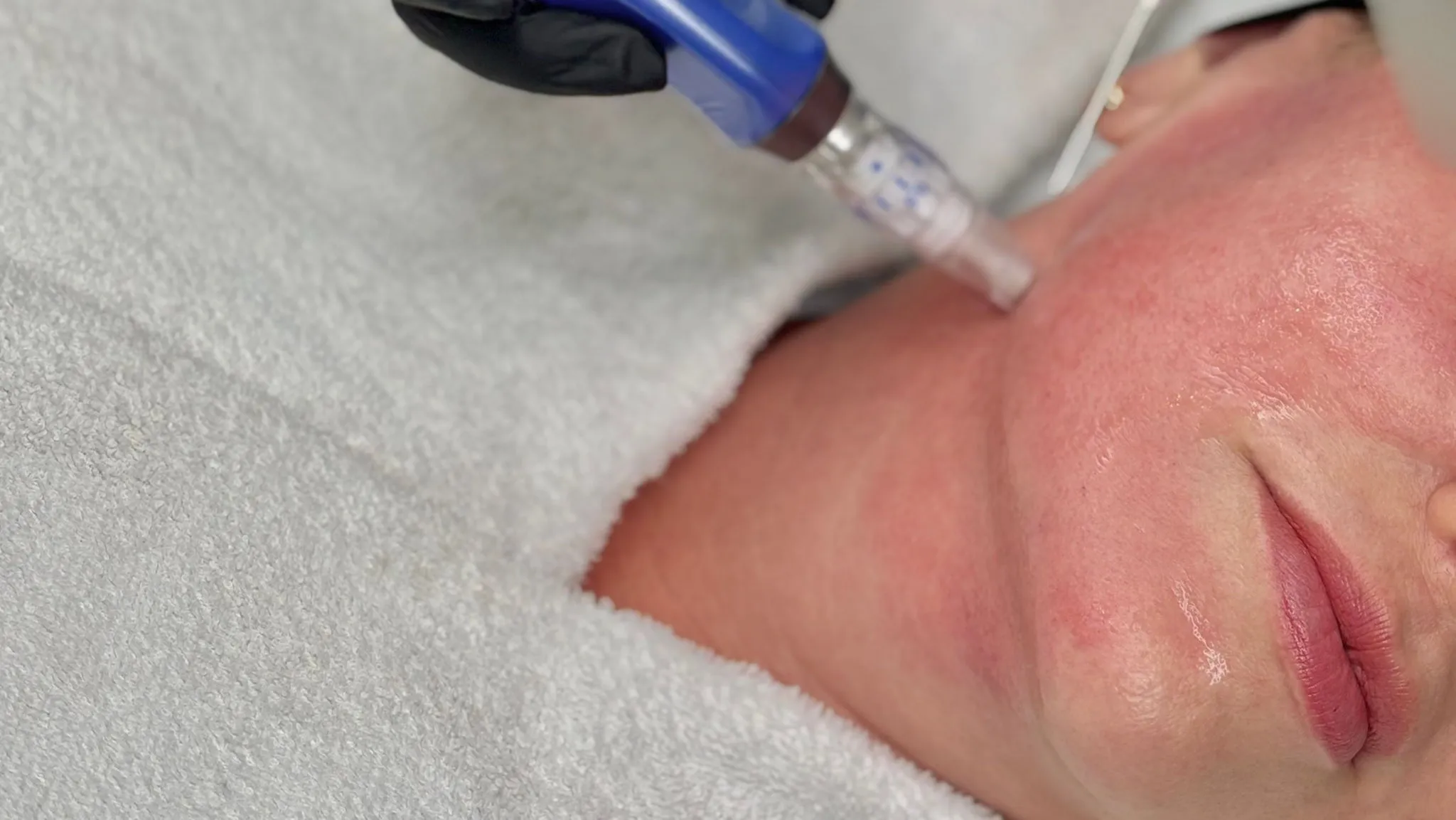
- Skin Needling may support collagen regeneration and improve texture and skin quality
- Plasma Fibroblasting may be considered for targeted tightening concerns where appropriate
Congestion and Dullness
Sun-damaged skin often struggles with normal cell turnover.
- HydraFacial supports deeper cleansing, hydration and restores skin function
- Medical-grade Skincare supports barrier repair and daily protection
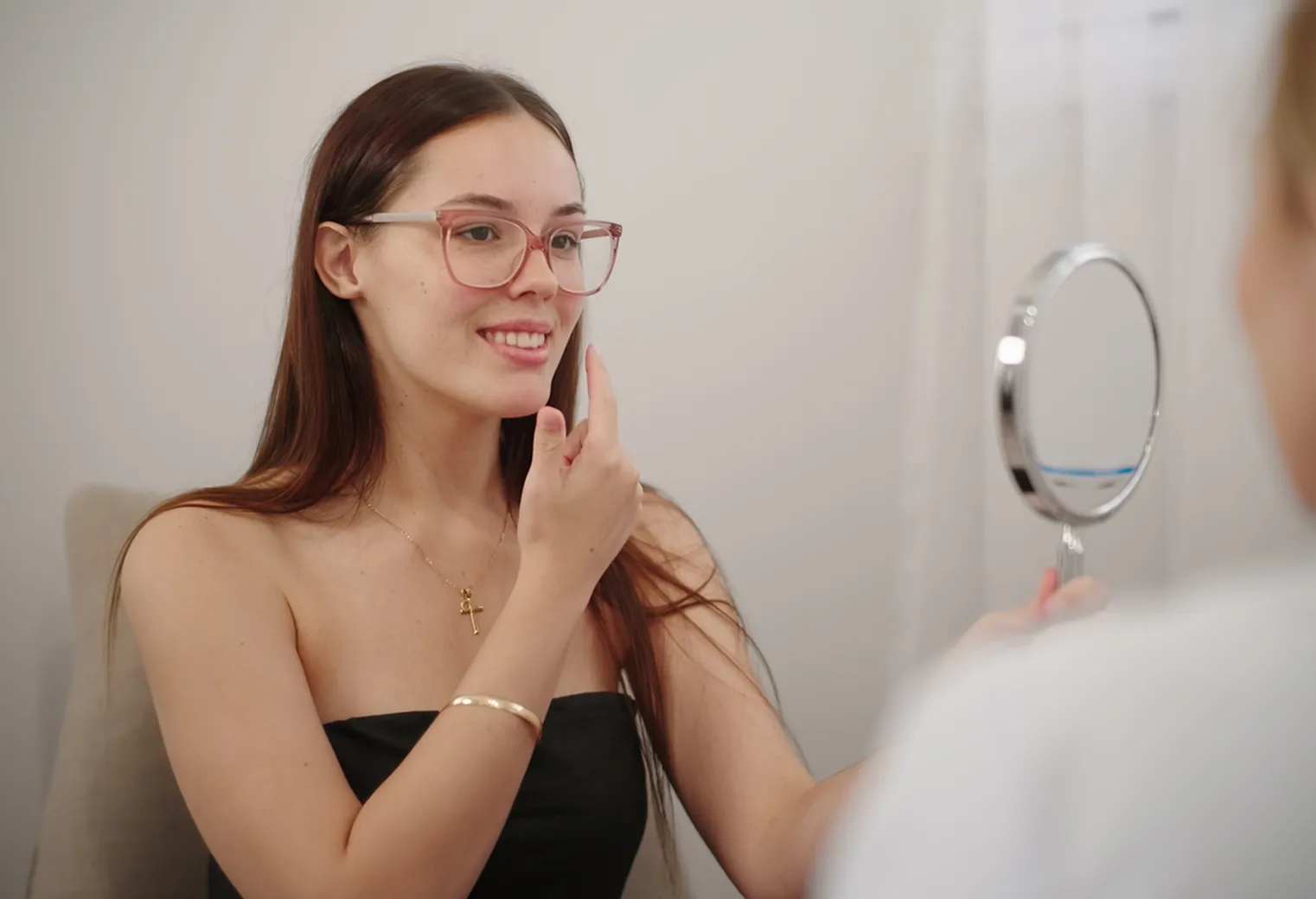
If you’re noticing changes in your skin or want a clearer picture of how sun exposure is affecting you, a professional skin consultation is the most practical place to start.
Why a Professional Skin Consultation Matters
No two skins respond the same way to UV exposure, particularly in a hot, humid climate like North Queensland. Treatment decisions should never be made based on visible symptoms alone.
At NQ Aesthetics, all treatments are discussed following an individual consultation and suitability assessment. Not every treatment is appropriate for every skin type, lifestyle, or level of sun exposure, and not all treatments suit hot, humid environments.
Factors such as recovery time, inflammation risk, barrier integrity, and ongoing UV exposure all need to be carefully considered before proceeding.
A Comprehensive Skin Consultation allows us to assess:
- Your level of cumulative sun exposure, including everyday incidental exposure
- How UV damage is presenting in your skin, such as pigment, redness, texture or lesions
- Your lifestyle, work environment, and time spent outdoors
- Your skin’s ability to tolerate and recover from specific treatments
- The most appropriate treatment pathway for North Queensland conditions, not generic advice
“UV exposure in North Queensland is constant. Your skin is shaped by everyday consistency, not just by circumstance.”
This personalised approach ensures treatments are chosen for safety, effectiveness, and long-term skin health, rather than short-term results.